What Are the Latest Office Interior Design Trends for Modern Workspaces?
Introduction:
The modern workplace is undergoing a remarkable transformation and office interior design trends are in the center of this evolution. Offices today are no longer limited to traditional desks and cabinets they are dynamic environments designed to support productivity, collaboration, creativity and well-being. Businesses now recognize that a thoughtfully designed workspace not only improves efficiency but also strengthens company culture, increases employee satisfaction and creates a positive impression on clients. Understanding the latest office interior design trends helps organizations stay competitive while providing employees with inspiring spaces that encourage innovation and comfort.

Flexible Workspaces and Hybrid Layouts:
One of the most influential trends shaping modern workspaces is flexibility. Companies are shifting away from fixed seating arrangements and rigid layouts to adaptable designs. Flexible workspaces allow employees to choose where and how they work, whether it’s a quiet corner for focused tasks or a collaborative table for brainstorming sessions. Modular furniture, movable partitions, and shared desks make it easy to reconfigure spaces as needs change. Hybrid layouts also support the growing combination of remote and in office work by providing hot desks, meeting pods and touchdown stations for employees who visit infrequently.
Design and Natural Inspiration:
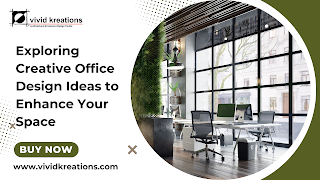
Nature inspired interiors continue to dominate office design trends. This design incorporates natural elements such as plants, sunlight, wood textures and earthy color palettes. These features create a calming environment that reduces stress and boosts concentration. Exposure to natural light improves mood and energy levels, which is why modern offices use large windows, skylights and open layouts that maximize daylight. Indoor greenery, vertical gardens, and natural materials not only improve the aesthetics but also contribute to healthy indoor air quality and a refreshing atmosphere.
Integration of Smart Technology:
Technology is now easily integrated into office interiors design. Modern workspaces are designed with built-in digital solutions that improve efficiency and convenience. Wireless charging stations, video conferencing setups, automated lighting systems and smart climate controls are becoming increasingly common. Meeting rooms commonly feature integrated screens and collaborative tools that allow teams to share ideas instantly. Touchless access systems and app-controlled devices add convenience while maintaining hygiene and security. The integration of smart technology allows that office design to support modern workflows and communication needs.
Modern and Functional Aesthetics:
Minimalism remains a strong influence on contemporary office interiors. Clean lines, neutral tones and uncluttered layouts create a sense of order and professionalism. Instead of heavy decorations, modern offices prefer functional elements that serve practical purposes. Built-in storage solutions keep work areas tidy and organized, while simple furniture designs contribute to sleek looks. A minimalist environment reduces visual distractions, helping employees focus better and work more efficiently. This trend demonstrates that simplicity and functionality can create powerful design impact.
Collaborative and Social Zones:
Collaboration has become a cornerstone of modern work culture and office design reflects this shift. Dedicated spaces for teamwork, brainstorming and informal discussions are now essential components of office layouts. Lounge seating, cafe style areas and open discussion zones encourage employees to interact and share ideas. These spaces foster creativity and build stronger team relationships. Organizations are recognizing that when employees feel comfortable communicating and collaborating, innovation and productivity naturally increase.
Branding Through Interior Design:
Office interiors are increasingly used for brand expression. Companies incorporate brand colors, logos, custom graphics and themed decor into their workspace design. Reception areas, meeting rooms and common spaces usually reflect the organization’s identity and values. This approach creates a memorable experience for visitors and clients while reinforcing the company culture for employees. A well-branded office environment communicates professionalism, credibility and a strong sense of purpose.
Providing Comfort and Privacy Solutions:
Managing noise levels has become increasingly important as open plan offices become more common. Modern workspaces now include wall panels, sound-absorbing materials, privacy pods and quiet rooms to reduce distractions. These solutions help balance collaboration and concentration by providing areas for focused work alongside interactive spaces. Effective acoustic design allows employees to work comfortably without interruptions, which ultimately improves productivity and job satisfaction.
Environmentally Friendly and Eco Friendly Design:
Sustainability is a major priority in contemporary office interiors. Businesses are choosing environmentally friendly materials, energy efficient lighting, and sustainable furniture to reduce their ecological footprint. High-performance paints, recycled materials, and energy-saving systems contribute to healthier work environments and responsible resource use. Sustainable design not only benefits the planet but also enhances a company’s reputation, as clients and employees increasingly value environmentally conscious practices.
Furniture and Employee Wellness:
Employee well-being is now central to office design strategies. Ergonomic furniture, such as adjustable chairs and height-adjustable desks, prevents strain and discomfort during long work hours. Some workplaces also include relaxation areas, wellness rooms, or quiet zones where employees can recharge. Attention to comfort and mental well-being reflects a growing understanding that healthy employees are more productive, engaged, and motivated. Designed with wellness in mind supports individual performance and organizational success.
Conclusion:
The latest office interior design trends highlight a shift toward workplaces that focus on flexibility, technology, sustainability and employee well-being. Modern offices are no longer just functional spaces they are carefully designed environments that inspire creativity, collaboration and efficiency. By adopting trends such as natural design, smart technology integration, minimalist aesthetics and ergonomic solutions, businesses can create workspaces that support both professional performance and personal comfort. As the nature of work continues to evolve, office interiors will remain a key element in shaping positive experiences for employees and creating positive impressions.
For More Information:
Call: +91 9844278751
Email: shree@vividkreations.com
website: https://www.vividkreations.com


Comments
Post a Comment